
Coping with Compassion Fatigue
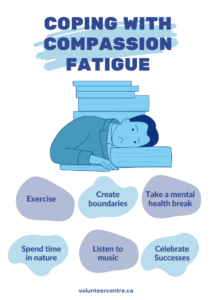
Compassion fatigue is a form of burnout that occurs when individuals, particularly those in helping professions or roles, become overwhelmed by the emotional and physical demands of caring for others. It’s characterized by feelings of emotional exhaustion, depersonalization, and a reduced sense of personal accomplishment. For non-profit staff and volunteers, who often work closely with individuals facing challenging circumstances, compassion fatigue can be a significant issue.
Compassion fatigue can impact on Non-profit Staff and Volunteers in many ways. Constant exposure to the suffering of others can drain individuals emotionally, leading to feelings of fatigue and depletion. Over time, individuals may start to detach themselves emotionally from their work and the people they serve as a coping mechanism, leading to a sense of detachment or cynicism. Despite their efforts, individuals experiencing compassion fatigue may feel like they are not making a meaningful difference, leading to decreased motivation and job satisfaction.
There are some meaningful ways to cope with compassion fatigue and leaders in the sector, who may also be experiencing fatigue, can help staff and volunteers to overcome the symptoms.
Encouraging staff and volunteers to prioritize their own well-being is crucial. This includes promoting healthy lifestyle habits such as exercise, adequate sleep, and proper nutrition.
Setting clear boundaries between work and personal life can help prevent emotional exhaustion. Encourage individuals to take breaks, disconnect from work during non-work hours, and engage in activities they enjoy.
Providing opportunities for staff and volunteers to connect with and support each other can help reduce feelings of isolation and provide a sense of community, while offering training on stress management, resilience-building, and coping strategies can equip individuals with the tools they need to manage the emotional demands of their work effectively.
Regular supervision sessions and access to counseling services can provide a safe space for individuals to process their emotions and seek support when needed. This coupled with rotating tasks and responsibilities can prevent individuals from becoming overwhelmed by a particular aspect of their work and provide opportunities for skill development and variety.
Recognizing and celebrating the impact of their work, no matter how small, can help individuals maintain a sense of purpose and accomplishment. Often recognition in the workplace can help to build team spirit and a shared sense of belonging that helps individuals to feel appreciated and supported.
By implementing these strategies, non-profit organizations can support their staff and volunteers in managing compassion fatigue and promoting overall well-being, thus ensuring they can continue to make a positive difference in the lives of others while maintaining a positive sense of self and accomplishment.