
Safe Summer Volunteering
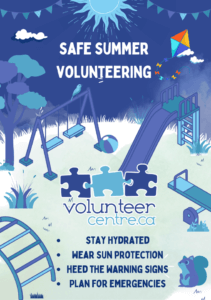 Volunteering during the summer is a rewarding way to give back to your community and make a positive impact. However, the warmer weather and increased outdoor activities can present unique health and safety challenges. Here are some essential tips to ensure you stay safe and healthy while volunteering this summer.
One of the most crucial aspects of summer volunteering is staying hydrated. Dehydration can quickly occur in hot weather, leading to serious health issues. Aim to drink at least 8-10 glasses of water a day. Carry a reusable water bottle with you and take regular sips, even if you don’t feel thirsty. Minimize consumption of caffeine and sugary drinks, as they can contribute to dehydration. Consider drinks with electrolytes if you’re engaging in prolonged physical activity to maintain a proper balance of fluids and minerals in your body.
Excessive sun exposure can lead to sunburn, heat exhaustion, and other serious conditions. Proper sun protection is essential for a safe volunteering experience. Apply a broad-spectrum sunscreen with at least SPF 30 to all exposed skin. Reapply every two hours, or more frequently if you’re sweating or swimming. Choose lightweight, long-sleeved shirts, pants, and a wide-brimmed hat to shield your skin from the sun. Sunglasses with UV protection are also a must to protect your eyes. Take breaks in shaded areas whenever possible, especially during peak sun intensity hours from 10 AM to 4 PM.
Paying attention to your body’s signals is key to preventing overexertion and heat-related illnesses. Schedule regular breaks to rest and cool down. Overworking yourself can lead to heat exhaustion or heat stroke. Be aware of the signs of heat-related illnesses, such as dizziness, nausea, headache, excessive sweating, and rapid pulse. If you experience any of these symptoms, seek shade, hydrate, and rest immediately. It’s important to know your limits. If you’re feeling unwell or overly tired, it’s okay to step back and take a break or seek medical attention if necessary.
Having a plan in place for emergencies can make a significant difference in maintaining safety during your volunteer activities. Carry a basic first aid kit with essentials like bandages, antiseptic wipes, and pain relievers. Keep a list of emergency contacts and local medical facilities handy in case of an urgent situation. Familiarize yourself with the location of your volunteer work, including nearby restrooms, water sources, and shaded areas.
Volunteering during the summer is a fulfilling way to contribute to your community, but it’s essential to prioritize your health and safety. By staying hydrated, protecting yourself from the sun, dressing appropriately, listening to your body, and being prepared for emergencies, you can ensure a safe and enjoyable volunteering experience. Remember, taking care of yourself enables you to help others more effectively.
Happy volunteering!